Mechanism Design • CAD • Motion Study

Mechanism Trash Can

Automated trash can mechanism designed to transfer waste from the top to the side while preventing spillage.

SolidWorks Math Illustration Mechanism Design
Motorized trash can project image

Project Overview

This project focused on designing a trash can mechanism to create controlled displacement motion. It involved CAD assembly, mechanism layout, and linkage-based motion design. The work emphasized how components interact and how motion can be clearly communicated through geometry and visuals.
What I Worked On

  • Designed a base mechanism to transfer motion between two positions
  • Calculated linkage lengths to achieve perfect motion
  • Recreated the mechanism in SolidWorks as a 3D model
  • Validated motion through video analysis

Single DOF Tray Transfer

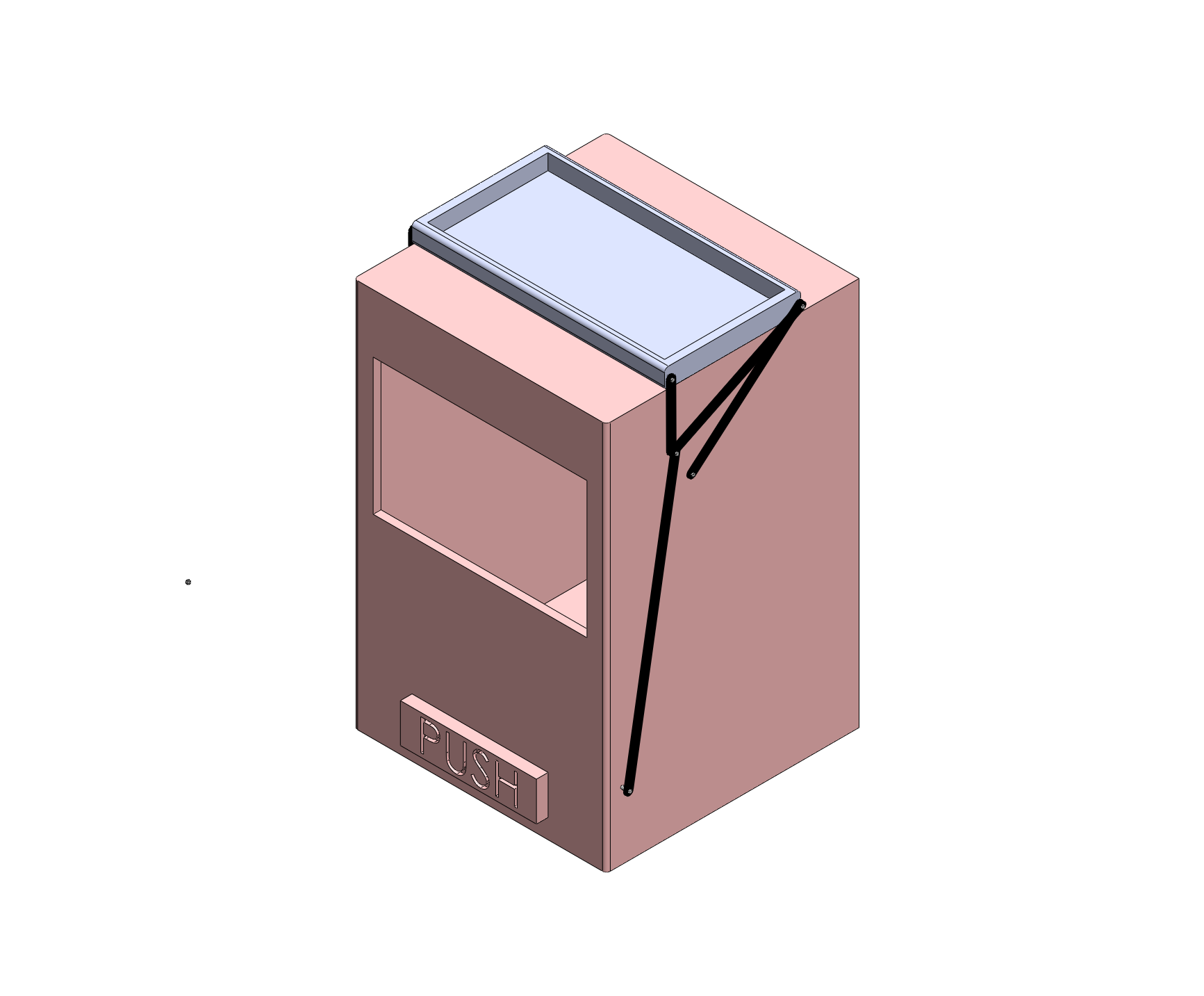
The mechanism uses a one-degree-of-freedom linkage to transfer the tray from the top intake to the side opening. The motion path is designed to minimize tipping, allowing waste to be moved while maintaining containment and control.

Mechanism Design

Calculation Highlights

End cap components

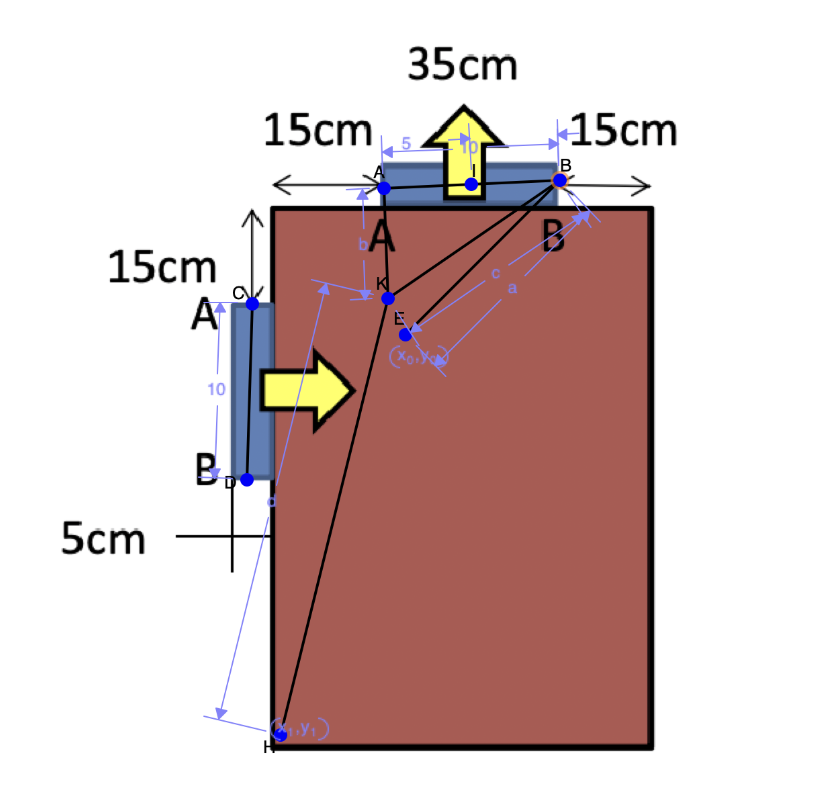
Rough Estimate

Initial math illustrations were used to explore different linkage configurations and motion paths.

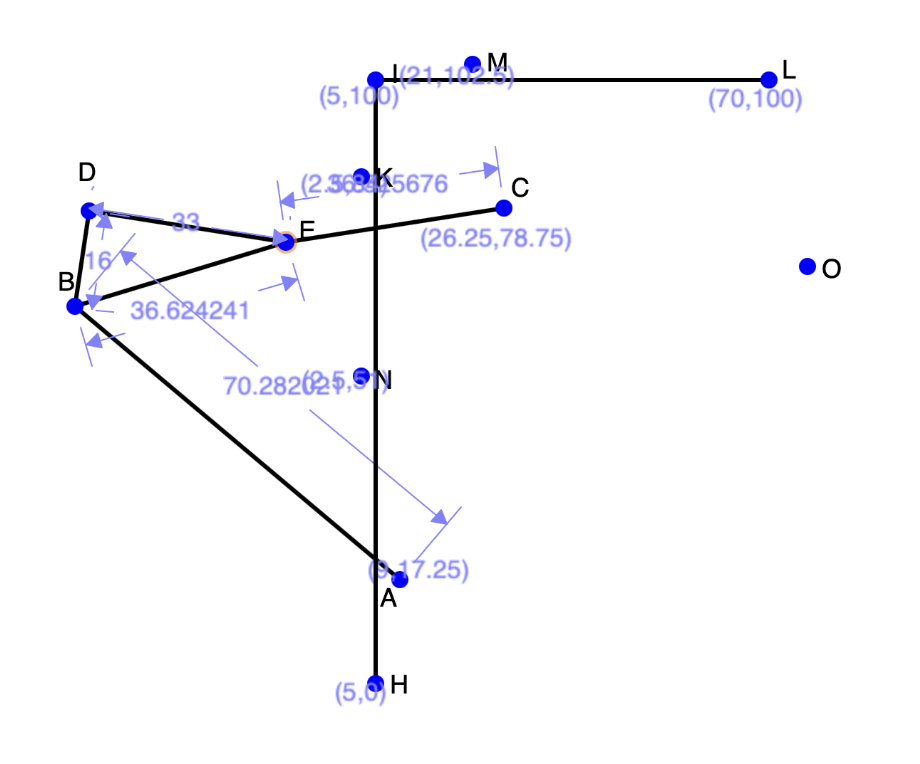
End cap components

Precise Design

Linkage dimensions were calculated using defined start, end positions and their bisectors to achieve the desired motion path.

CAD Side View

Side view validation confirmed no interference between components and proper start and end positioning.

Mechanical Design

Assembly Highlights

Previous image preview Main slider image Next image preview

Linkage Stacking

Linkages were arranged with proper spacing to prevent interference and ensure smooth, independent motion.

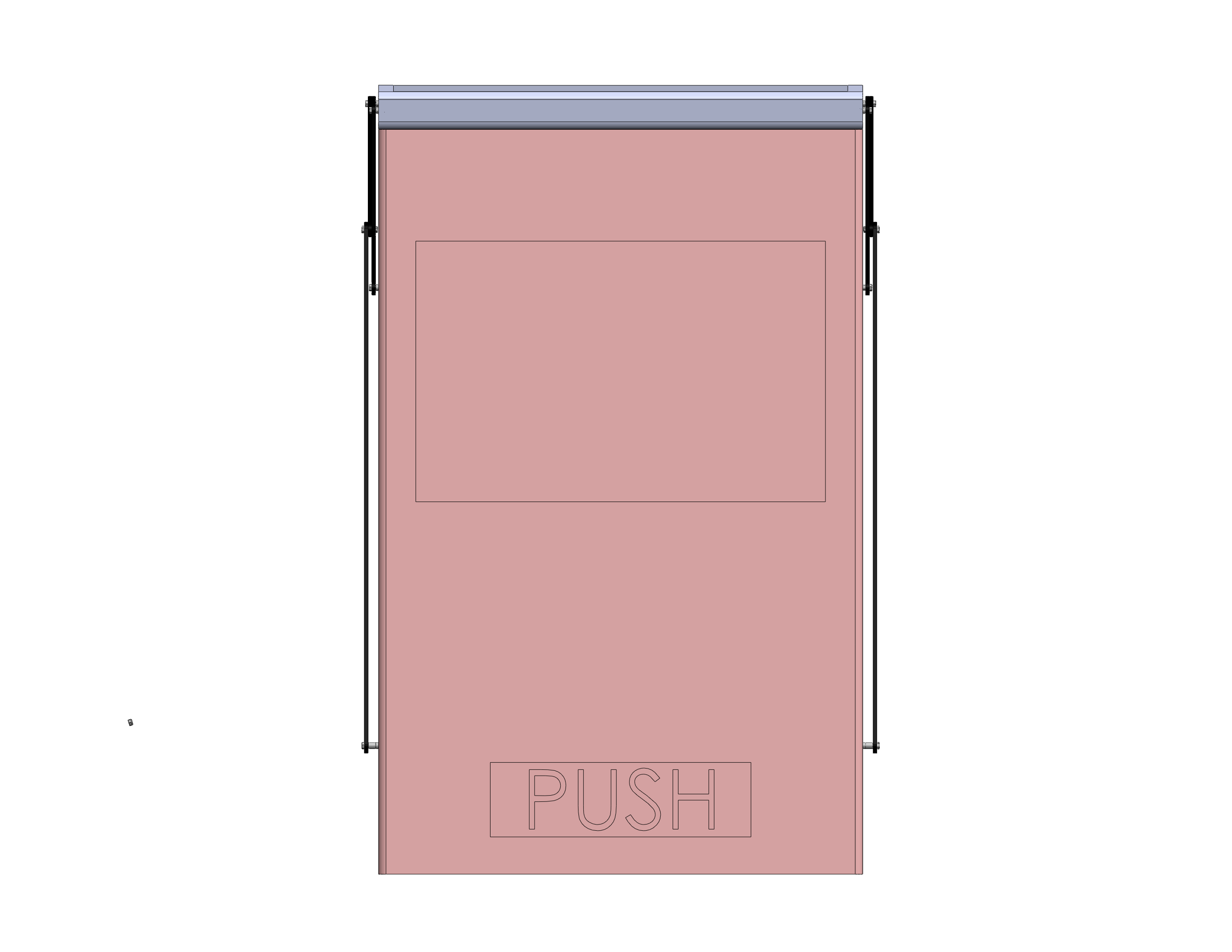
Full trash can front view

Full Trash Bin

The full assembly integrates the linkage system within the enclosure, maintaining alignment and functional motion throughout operation.

What I Learned & Future Improvements

This project strengthened my understanding of how mechanisms can achieve complex motion in simple, efficient, and cost-effective ways compared to full robotic systems. It emphasized the value of creative linkage design to solve motion problems with minimal components. In the future, I plan to further explore mechanism design to create more dynamic and interesting motion paths through creative configurations.

Contact Me

Feel free to reach out for projects, collaboration, or opportunities.